©

23 03 Mer 3142 Akamaru

Gambier Marine Protected Area: a commitment carried by its people

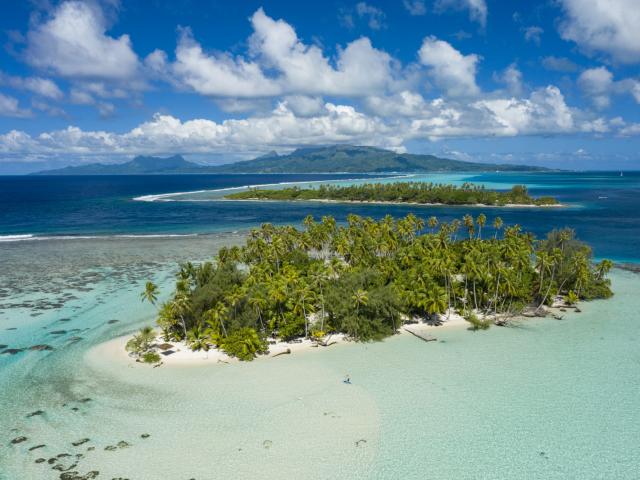
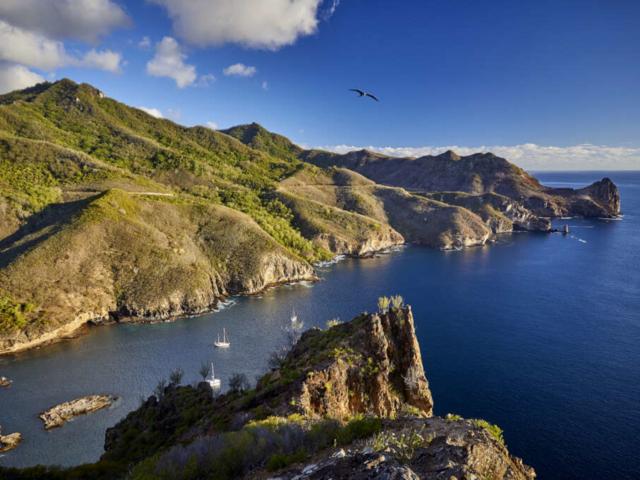
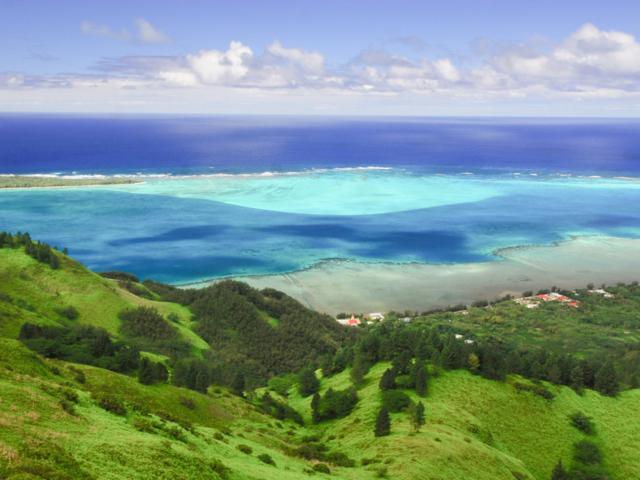
Located in the far southeast of French Polynesia, the Gambier Archipelago reveals a world apart. Isolated in the heart of the Pacific, these islands shelter a largely unexplored marine environment, where lagoons, reefs, and seamounts harbor exceptional biodiversity. Building on the foundation of Tainui Atea, French Polynesia is taking a new step forward with the creation and management of the Gambier Marine Protected Area — a new way of protecting the ocean, built with local communities and for the territory.

©

P2 Fakarava Un Raie Manta A Fakarava 9 Frederique Legrand 2066x1372 1 1024x680 1

The Gambier Islands

A model of Marine Protected Area

In 2018, French Polynesia established Tainui Atea, now recognized as the largest Marine Protected Area in the world, covering nearly 5 million km² of ocean. Building on this momentum, a network of local Marine Protected Areas is gradually being deployed across each archipelago. The Gambier Islands represent the first concrete example: a pilot Marine Protected Area, co-constructed with and for the local population.

In September 2025, a wide-ranging consultation process was launched with residents. Over several months, inhabitants, fishers, pearl farmers, tourism stakeholders, cultural representatives, and institutions worked together to co-create a project tailored to the realities of the archipelago.

This collective effort led to the validation of a 2026–2036 management plan, at the inaugural management council held in February 2026 in Rikitea. A local committee, made up of community representatives, now oversees its implementation and ensures that the protection of the lagoon fully benefits future generations.

2026–2036 Management Plan

The Gambier Marine Protected Area is above all a collective project, where environmental preservation, economic activities, and local culture are closely intertwined. Shaped together with residents, the management plan rests on three core ambitions:

  • Preserving marine and cultural heritage
  • Supporting sustainable economic activities
  • Uniting the territory’s stakeholders around a shared vision

In practice, this translates into promoting small-scale fishing, guiding pearl farming toward more environmentally responsible practices, and developing sustainable tourism that benefits local communities — in a spirit closely aligned with the traditional rāhui.

A rich and little-known ecosystem

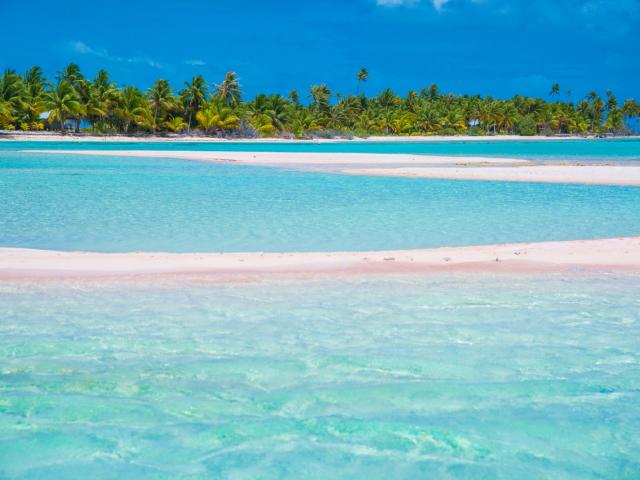
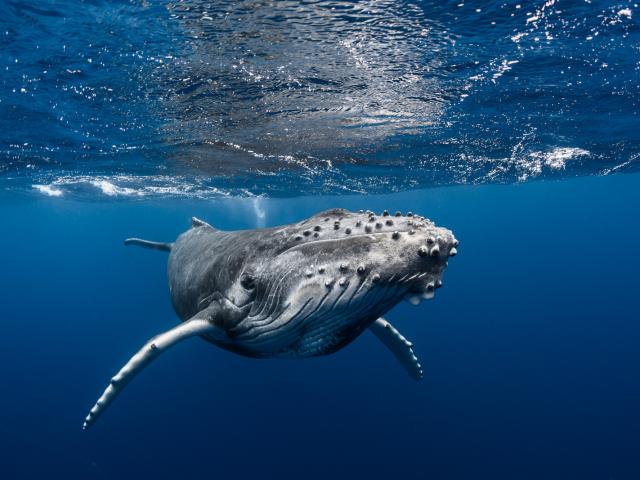
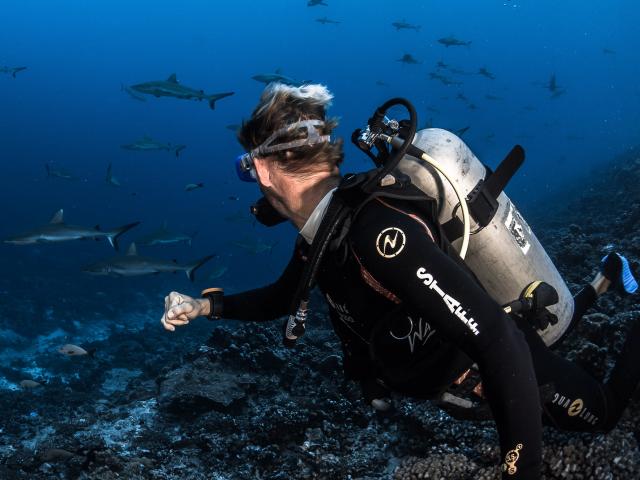
The Gambier Islands rank among the least-studied archipelagos in French Polynesia — and yet their waters reveal remarkable biodiversity. From the lagoon to the open sea, manta rays, sea turtles, sharks, and whales move through still-preserved waters.

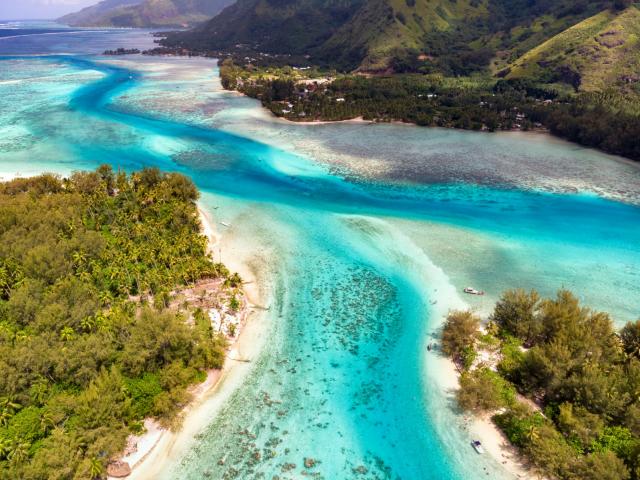
The coral reefs, exceptionally well developed, are among the richest in the territory, and much of the seabed remains unexplored. It is precisely this unique character that makes the Gambier Islands a key space for ocean knowledge and protection across French Polynesia.

Yet this balance remains fragile. Residents are already observing changes — shifts in resources, ecosystems, and the growing effects of climate change. The Marine Protected Area responds to these challenges by combining habitat protection, scientific research, and the transmission of traditional knowledge.

Support sustainable initiatives

Join us in preserving our environment, celebrating Polynesian culture, and enhancing the well-being of our local communities. By supporting one of the HINA Fund’s projects, your donation becomes a meaningful gesture of solidarity and sustainability.

Concrete measures to protect the Ocean

The Gambier Marine Protected Area is built on a precise regulatory framework, organizing the marine space into two complementary zones:

  • A strict protection zone: the Gambier territorial marine park, covering nearly 680,000 km², dedicated to preserving the most sensitive ecosystems.
  • A 12-nautical-mile coastal protection zone around the islands, safeguarding local practices and traditional small-scale fishing.

These two zones work in tandem: one protects the most vulnerable spaces, the other organizes uses in keeping with residents’ daily lives — ensuring a lasting balance between protection and local activities.

An approach aligned with the 2030 Sustainable Tourism Plan

lan, which places the protection of ecosystems at the heart of The Islands of Tahiti‘s development. It contributes to:

  • Preserving lagoons and reefs
  • Strengthening the resilience of marine ecosystems
  • Promoting local culture and traditional knowledge
  • Offering more responsible experiences to visitors

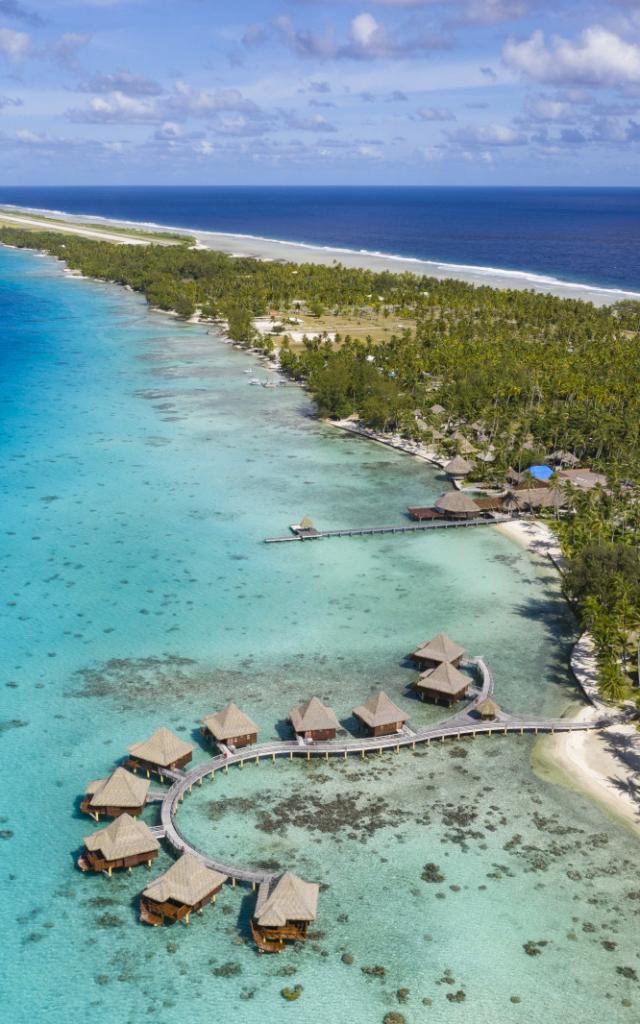
In an archipelago still untouched by mass tourism, the Gambier Islands already offer an authentic, human-scale experience. The Marine Protected Area now provides structure for this development — so that the islands remain what they are, and that those who call them home are the first to benefit.

🌊🇵🇫TAINUI ATEA : Mission #2 AMP Gambier